
Sustainable Healthcare IT in Practice
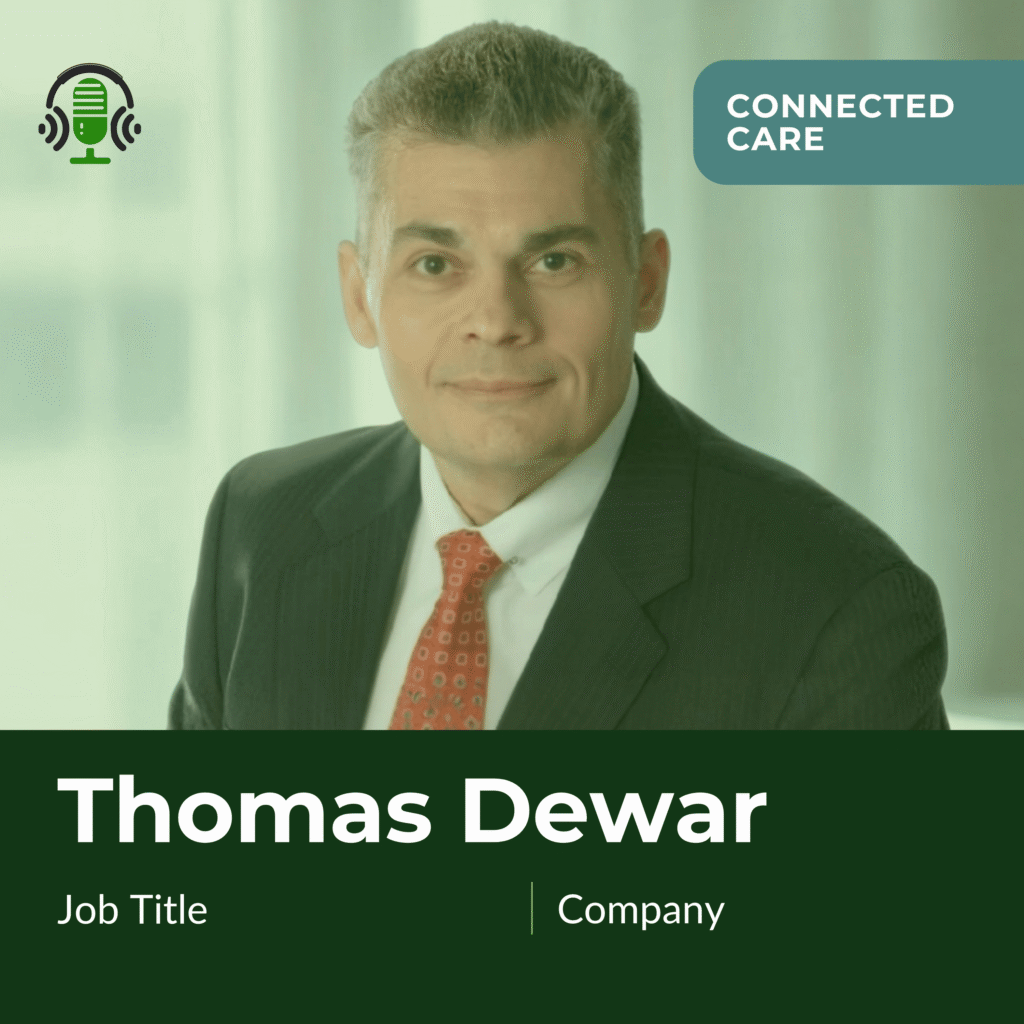
Thomas Dewar has spent decades leading IT in healthcare environments where uptime directly impacts patient care. As Chief Information Officer at Acupath Laboratories Inc., he oversees technology strategy for a pathology diagnostics company where system performance and reliability affect clinical outcomes every day.
His approach to sustainable healthcare IT is shaped by real-world experience. That includes September 11, the COVID-19 pandemic, ICU expansions, and managing decades of legacy data that had to be validated and prepared for future use.
In this episode of Go Beyond the Connection, Tom joins host Steve MacDonald to share a leadership philosophy grounded in simplicity, empathy, and building systems that work long after they are handed off.
What You Will Learn
- How to design IT systems that work without relying on one person
- Why small, controlled changes protect uptime in healthcare environments
- How to validate data before using AI in high-stakes settings
- What cloud redundancy looks like in a real pathology lab
- How user-focused design improves adoption and outcomes
Sustainability Starts Before You Leave
Tom’s early career shows why simple, maintainable systems matter.
A statistical reporting program he built for a government agency was still in use ten years after he left. He was not trying to make something permanent. He was trying to make something anyone could use. That ended up being the same thing.
He applies that same thinking to succession planning in IT. Standardizing hardware. Documenting dependencies. Writing queries that non-experts can adjust. Training users before transitions, not after.
These are not checklists. They are what allow organizations to continue operating without disruption when leadership changes.
Managing Change Without Losing Stability
In healthcare, downtime is not just inconvenient. It affects workflows, diagnostics, and patient safety. Tom approaches system changes with one rule: make updates small enough that no single change creates risk. Prepare users ahead of time. Test everything before it goes live.
He applied this directly during an ICU expansion during COVID-19. Legacy systems stayed fully operational while new infrastructure was built and tested alongside them. This kind of measured change is a core part of sustainable healthcare IT.
Data Integrity Is the Foundation for AI
At Acupath, Tom has spent three years reviewing and validating two decades of legacy data. Before using AI, he rebuilds existing reports in Power BI and confirms the numbers match what the organization already trusts. If the numbers align, the data is ready. If not, that gap becomes the priority.
This work now supports a digital pathology initiative using AI to assist in bladder cancer diagnostics. The system highlights areas of interest. Pathologists confirm or adjust the results. The model improves with each interaction.The outcome is faster, more accurate diagnoses with human oversight at every step.
“Before I go letting AI loose on something, I need to know what the structure of the data is, where it is, and why it’s important.” — Thomas Dewar
Cloud Migration as a Business Continuity Strategy
Tom’s view of cloud infrastructure was shaped by his experience at Lehman Brothers on September 11, 2001. Employees lost access to both their offices and their data. The lesson was clear: critical systems should not depend on physical location. Later, at Lutheran Social Services of New York, he rebuilt the entire infrastructure with a simple goal. It had to run from anywhere.
Three years after presenting that plan, COVID-19 hit. The organization moved to full remote operations in three days. That is what sustainable healthcare IT looks like in practice.
The Future of Connected Care
- Network reliability as a clinical and operational requirement
- Cloud infrastructure as the foundation of care delivery
- AI built on validated and structured data
- IT leadership that understands the business it supports
- Succession planning as part of patient safety
The CIO as a Business Partner
Tom’s closing message applies beyond healthcare. The CIOs who influence business outcomes are the ones who understand how their organizations operate. They design systems around real workflows, not assumptions. They revisit decisions as conditions change. Sustainable healthcare IT is not about complexity or new tools. It is about building systems that continue to work, continue to scale, and continue to be trusted over time.
SUBSCRIBE & LISTEN >
Related Links:
- Why AI in Healthcare Starts With Data You Can Actually Trust
- Go Beyond the Connection Video Episodes Playlist on YouTube
- Subscribe to our LinkedIn Newsletter
- Restaurant IT Prevents Customer Chaos
- Building Healthcare AI Through Robust Data Foundations
- Future-Proofing: The CIO’s Guide to Succession and Sustainability
- Embracing Resiliency and Efficiency Through Cloud Migration